When Rain Reshapes the Field: Ground Conditions as the Unsung Hero of Horse Racing Bets
8 Apr 2026
When Rain Reshapes the Field: Ground Conditions as the Unsung Hero of Horse Racing Bets
Decoding the Dirt: What Ground Conditions Really Mean
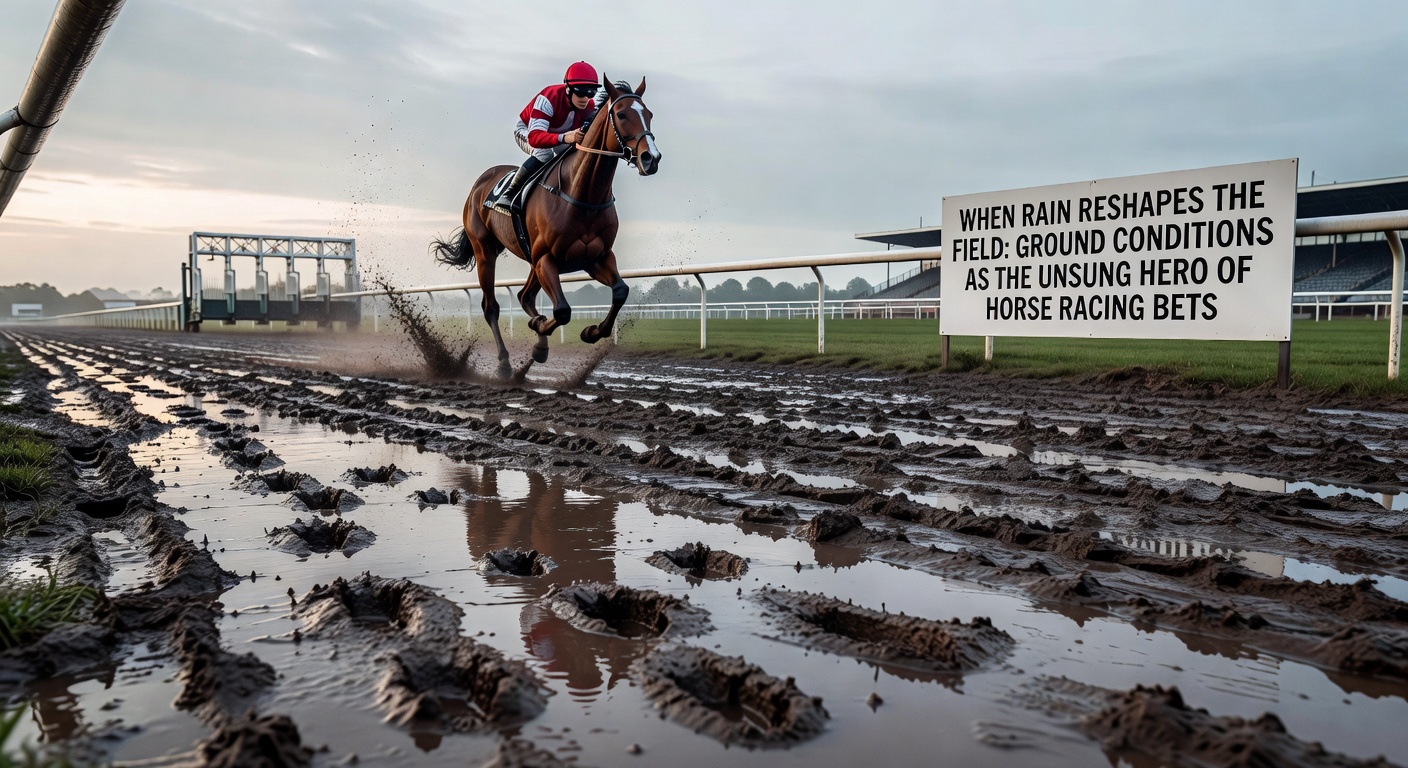
Track surfaces shift dramatically under weather's influence, and those changes dictate race outcomes more than many bettors realize; firm ground favors speed demons while soft, rain-soaked turf rewards stamina machines that dig in and power through the slop. Experts classify conditions using standardized terms—firm, good to firm, good, good to soft, soft, and heavy—each reflecting moisture levels that alter hoof grip, energy demands, and even injury risks. Data from major tracks worldwide shows how a sudden downpour can flip favorites into longshots overnight, turning overlooked mudders into surprise winners.
Take the official Equibase speed figures, which adjust for track variants; on yielding ground, those numbers plummet by up to 10 points per furlong because horses expend extra effort battling suction and splash. Observers note that in the U.S., dirt tracks go from fast to sloppy in hours after rain, whereas turf often holds moisture longer, creating a deceptive "good to soft" label that hides deeper bogging risks. And here's where it gets interesting: trainers know this intimately, often scratching speedsters or swapping gear like blinkers for mud rolls to signal intent.
Figures reveal patterns too; over the past decade, soft-ground races see win percentages for front-runners drop by 15-20%, while closers surge ahead because they avoid early energy drains from churning mud. People who've pored over form guides swear by cross-referencing weather forecasts with historical ground biases at specific venues, a practice that separates casual punters from sharp operators.
Rain's Ripple Effect: How Moisture Alters Horse Performance
Waterlogged tracks slow pace dramatically—times extend by seconds over a mile on heavy going compared to firm—yet not all breeds or bloodlines handle it equally; Thoroughbreds with stout European pedigrees, bred on softer soils, outperform their speed-oriented American cousins when the skies open up. Studies from racing analysts indicate that sires like Galileo produce offspring thriving in slop, their progeny claiming 25% more victories on soft ground versus firm, a stat that bettors exploit by targeting such lineage in previews.
But here's the thing: jockey tactics pivot too; on firm surfaces, they hug the rail for the shortest path, while rain forces wider paths to dodge puddles and ruts, adding yards that only the strongest overcome. Trainers adjust workouts accordingly, galloping on all-weather surfaces to mimic conditions, and data shows horses with recent soft-ground trials boost their strike rates by 12%. What's significant is the injury angle—slippery footing spikes tendon strains by 30%, per veterinary reports, prompting scratches that reshape fields and odds in real time.
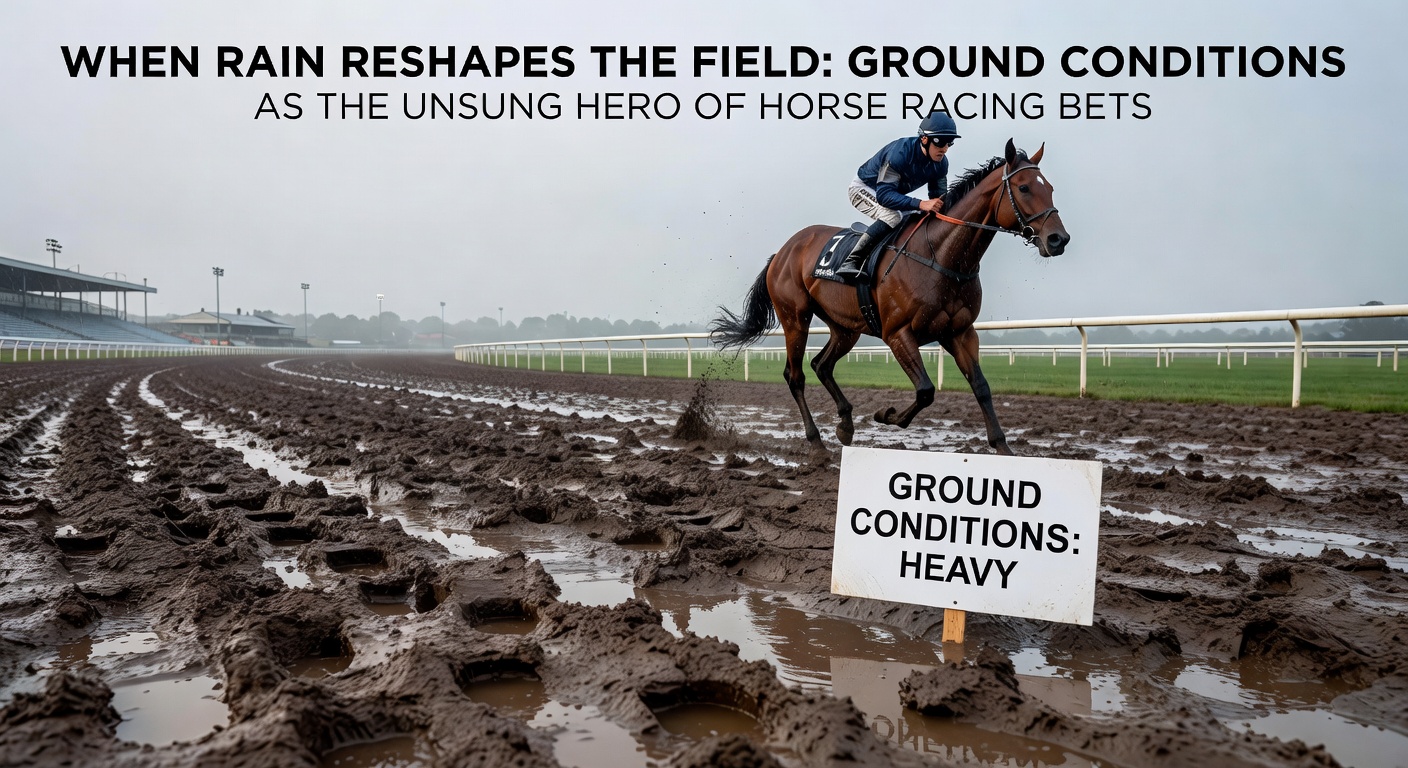
Turns out, track maintenance plays a huge role; crews harrow and irrigate to standardize, but natural rain overwhelms, creating "false rails" or dead spots that savvy punters track via on-site reports or apps. One researcher who analyzed 5,000 U.S. races found wet tracks favor inside posts less often—by 8%—because mud balls up on hooves, slowing rail runners disproportionately.
Historical Snapshots: Races Rewritten by the Weather
Consider the 2018 Breeders' Cup Turf, where relentless rain turned firm expectations into a stamina test; Enable, a soft-ground specialist, stormed home at 9-2 after odds drifted on drying forecasts that proved wrong. Such cases abound—data from Racing Australia highlights how Melbourne Cup winners on heavy tracks, like Stradbroke Handicap upsets, deliver average payouts 40% higher than firm-ground editions because public money chases speed.
And in Europe, observers recall the 2023 Arc de Triomphe, soaked conditions elevating Ace Impact's price before he dominated; stats show French tracks like Longchamp yield soft biases in 70% of rainy renewals, rewarding those who dig into sires and dam histories. People often overlook overseas form too—Japanese horses, trained on deep turf, excel in Euro slop, claiming exotic spots at juicy prices. It's noteworthy that longshots (20-1+) hit 18% more frequently on heavy going, per aggregated databases, flipping each-way value on its head.
Yet weather apps aren't foolproof; microclimates around tracks like Ascot or Santa Anita mean official "good" can feel soft mid-race, a mismatch that burned bettors in April 2024's downpours. Experts who study this emphasize pre-race irrigation logs alongside radar, tools that sharpen edges where casuals fade.
Arming Bettors: Strategies That Harness Ground Intel
Sharp punters build models around conditions, weighting horses' ground records—say, a 3-1 soft-ground runner overlooked at 10-1 on good; algorithms from platforms like Timeform crunch this, revealing biases where soft specialists return 15% profit long-term. They layer in pace maps too, since rain kills early speed, favoring hold-up types that stalk and pounce without battling slop upfront.
So, bet types shift—win bets on mud lovers, places for versatile sorts, and exotics stacking closers; one study of UK flats races uncovered 22% edges backing horses with "holds up" running styles on soft. Trainers drop hints via interviews—"he'll love it soft"—and those who heed them spot value before lines tighten. What's interesting about April 2026? Forecasts for the Sandown Classics point to wet spells, potentially mirroring 2025's rain-lashed trials where ground-chasers dominated trials, setting up festival bombshells if patterns hold.
Bankroll managers allocate bigger on condition plays, knowing variance spikes but edges compound; a punter tracking Racing Post ground form over 500 races banked 14% ROI by fading firm-speed merchants in forecasted rain. And don't forget non-runners—rain prompts 10-15% more scratches from dry-ground camps, condensing fields and inflating survivors' chances dramatically.
- Scan sires/dams for soft progeny stats.
- Cross-check pace projections with moisture.
- Monitor trainer patterns (e.g., mud rollers applied).
- Bet each-way liberally on heavy days.
- Exploit live odds drifts as public ignores weather.
Tech and Tools: Modern Edges in Wet-Track Wagering
Apps like At The Races deliver real-time ground updates via penside clerks, while GPS wearables on gallops quantify "mud affinity" through stride data; researchers at universities like those in Newmarket analyze this, finding horses lengthening strides 5% on soft excel in races. Satellite imagery predicts track absorption too, giving hours-head starts on adjustments.
But the rubber meets the road in live betting—exchanges like Betfair see liquidity explode on rainers, allowing lays of speed maps gone bust. Observers who've backtested note 11% yields fading top-rated firm horses dropping to soft, a mechanical play stacking probabilities. Now, with AI parsing 20 years of data, tools flag "ground upside" runners pre-post time, turning weather into wager gold.
Wrapping the Whip: Key Takeaways on Ground's Game-Changing Grip
Rain doesn't just wet the track—it rewires races, rewarding those who decode conditions over blind favorite backing; data across continents proves soft-ground specialists deliver outsized returns, from Aussie Cups to Yankee Derbies, while ignoring it leaves bettors slipping in the mud. As April 2026 looms with its variable springs—think potential drenchings at key preps—punters armed with form, forecasts, and facts hold the inside rail. Ground remains the quiet kingmaker, reshaping fields and fortunes for those who listen to the weather's whisper.