13 Jun 2026
Weather Dynamics Transforming Edge Assessments in International Racing Circuits
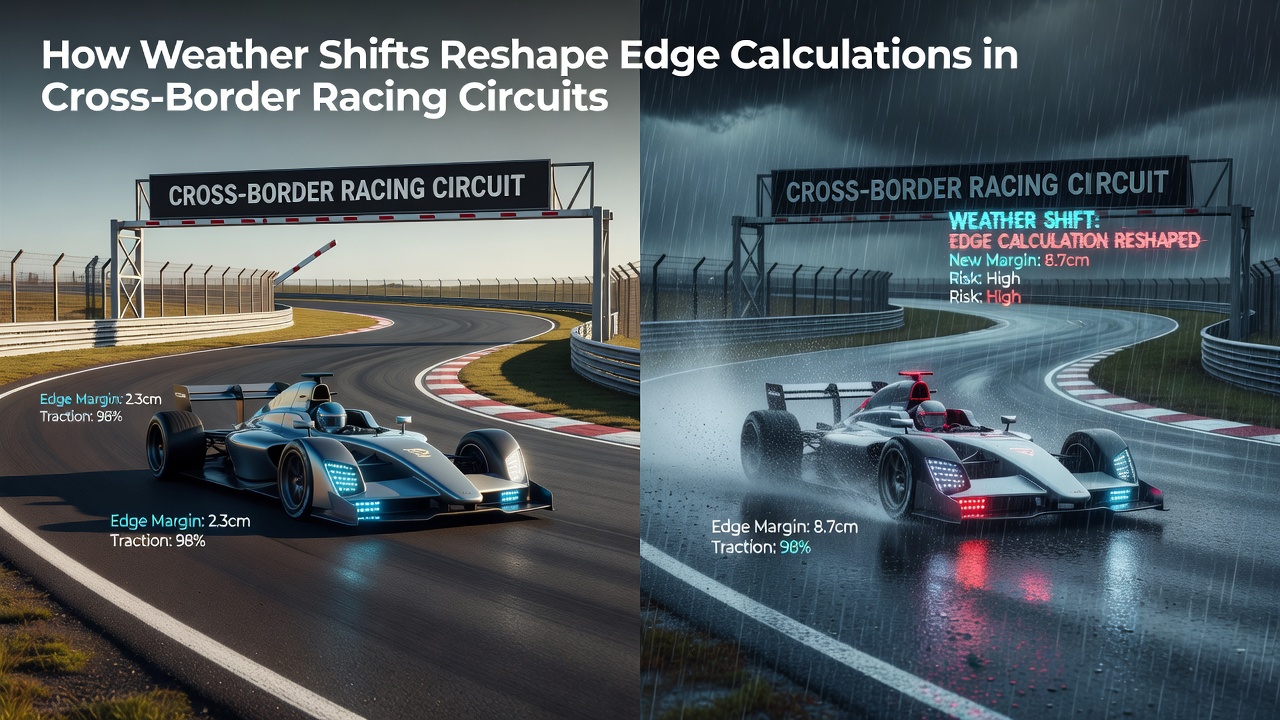
Weather patterns have long influenced performance metrics across transnational horse racing venues yet recent atmospheric fluctuations demand fresh approaches to probability modeling when bettors evaluate potential advantages in cross-border events. Data from multiple circuits shows that precipitation levels, wind speeds and temperature swings alter track surfaces in ways that shift expected outcomes and force recalibrations of margin calculations used by analysts tracking races between regions such as Europe, North America and Australia. Observers note these changes occur because moisture content modifies footing consistency while gusts affect stride efficiency and heat stress impacts recovery times between starts.
Track Surface Responses to Precipitation Variability
Rainfall amounts directly modify ground hardness ratings at venues that host international competitors and researchers tracking conditions at circuits like those in Australia and Canada report measurable differences in speed figures when cumulative precipitation exceeds historical averages by even modest margins. Softened turf reduces traction for front-running types while favoring closers that conserve energy on yielding surfaces and this dynamic requires updated algorithms that incorporate real-time moisture readings rather than static historical baselines. Those who monitor multi-country schedules observe that a single storm system crossing from one jurisdiction to another can produce divergent effects because soil compositions vary and drainage infrastructure differs between facilities.
Wind and Temperature Influences on Performance Data
Wind direction and velocity introduce additional variables into stride analysis particularly on straightaways exposed to prevailing flows where headwinds increase energy expenditure and tailwinds compress recorded times. Temperature extremes compound these effects since elevated readings accelerate fatigue in longer distances whereas cooler conditions preserve glycogen stores and allow sustained paces. Studies compiled by meteorological agencies indicate that combinations of these factors produce compound impacts on final margins and analysts therefore integrate layered datasets when projecting results across borders where seasonal transitions occur at different calendar points.
Cross-Border Data Integration Challenges
Calculating edges becomes more intricate when races span regulatory environments because each authority maintains distinct reporting standards for track variants and weather logs. A system that aggregates readings from sources such as the National Oceanic and Atmospheric Administration alongside European weather services helps standardize inputs yet gaps remain when circuits operate under differing measurement protocols. Bettors and modelers address this by applying adjustment coefficients derived from comparative race replays that align conditions across venues and the process grows more refined as satellite telemetry improves temporal resolution of incoming data streams.
June 2026 racing calendars already reflect these considerations with several circuits scheduling additional monitoring equipment ahead of expected seasonal shifts and early reports from trial events demonstrate tighter clustering of projected versus actual outcomes when weather layers receive explicit weighting. Patterns emerging from these trials suggest that models ignoring localized microclimates consistently overestimate advantages for certain running styles and understate risks associated with sudden front passages.

Algorithmic Adjustments and Margin Recalibration
Modern edge calculation frameworks now embed dynamic weather modules that update probability distributions whenever forecast revisions arrive and the result is a more responsive set of odds projections that account for surface evolution rather than assuming fixed parameters. Industry groups such as the International Federation of Horseracing Authorities have published guidelines encouraging standardized weather metadata collection and these recommendations facilitate smoother data exchange between circuits operating under separate national umbrellas. Analysts who apply these protocols report improved accuracy in identifying value positions especially when cross-referencing performances from northern and southern hemisphere tracks where seasonal opposites create unique comparative challenges.
Case Examples from Recent Circuits
One documented instance involved a sequence of races spanning Australian and Canadian venues during a period of rapid pressure changes where wind-adjusted times revealed previously hidden patterns in closing speed and subsequent models incorporated those findings to refine pace figures. Another series at European circuits exposed how overnight temperature drops altered dew point effects on grass and produced measurable deviations from morning line expectations prompting revisions to stamina projections used in multi-leg wagers. These examples illustrate how localized atmospheric events propagate through international schedules and necessitate continuous refinement of calculation methods.
Conclusion
Atmospheric variability continues to reshape the inputs that determine calculated edges in cross-border racing environments and organizations responsible for data integrity respond by expanding sensor networks and harmonizing reporting formats. As forecasting precision advances the capacity to isolate weather-driven components from other performance factors strengthens resulting in more granular assessments that reflect actual conditions rather than averaged assumptions. Continued collaboration among meteorological services and racing authorities supports this evolution and maintains the relevance of probability models amid shifting climate baselines.