UK Bettors Draw the Line: 65% Refuse Financial Documents for New Affordability Checks
9 Apr 2026
UK Bettors Draw the Line: 65% Refuse Financial Documents for New Affordability Checks

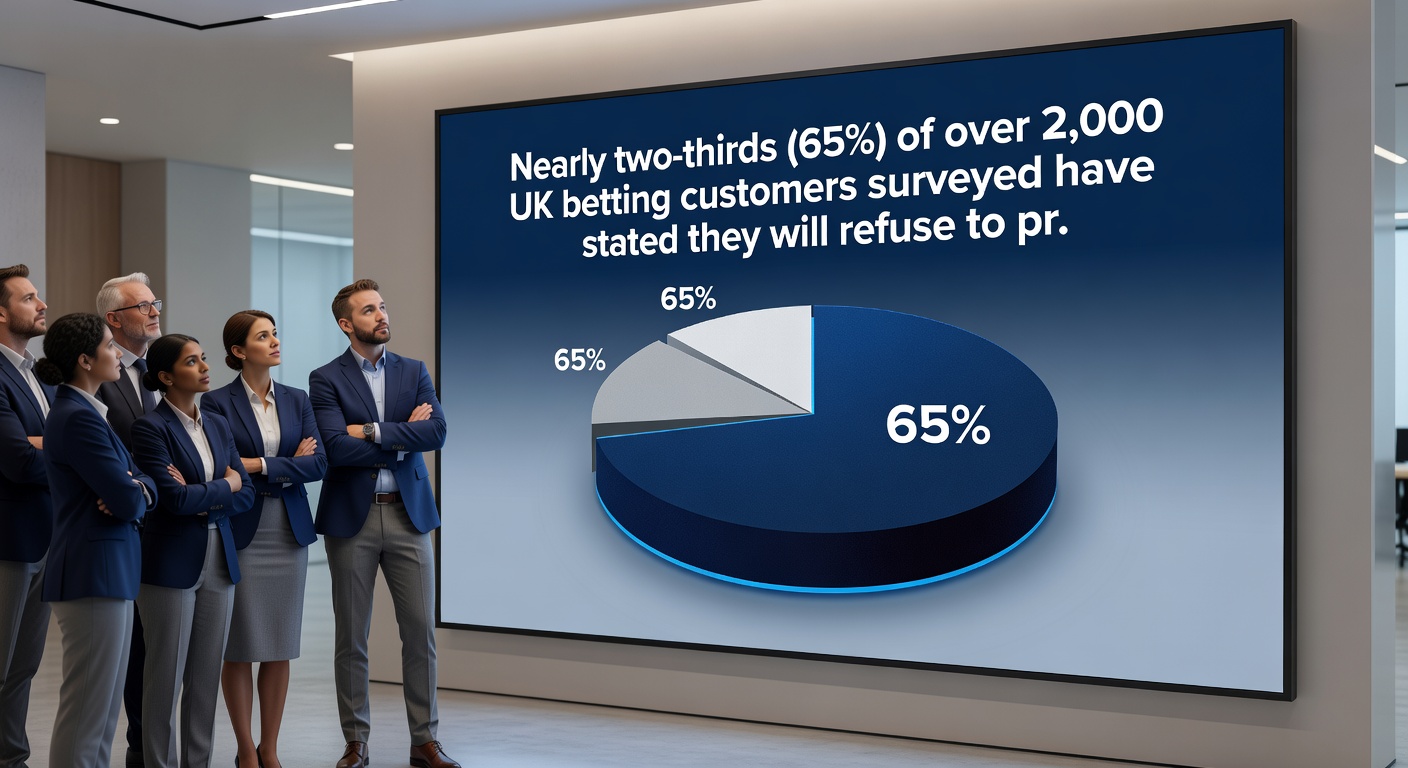
Surveys among UK betting customers reveal a stark resistance to upcoming affordability checks, where nearly two-thirds—precisely 65% of over 2,000 respondents—state they won't hand over bank statements or similar financial proofs; these checks, often labeled as 'intrusive mortgage-style' assessments, form part of broader reforms aimed at curbing excessive gambling through spending limit verifications.
Figures from the poll, conducted amid ongoing UK government and Gambling Commission initiatives, underscore how player protection measures collide with privacy expectations, sparking debates that echo through online forums and industry discussions.
The Survey That Shook the Betting World
Researchers gathered responses from more than 2,000 UK betting customers, finding that 65% categorically refuse to provide financial documents like bank statements under the proposed regime; this backlash intensifies as checks demand proof of affordable spending levels, mirroring processes lenders use for mortgages, which many describe as overly personal and burdensome.
What's interesting here surfaces in the sheer scale—over 2,000 voices sampled represent a cross-section of regular punters, from casual football bettors to horse racing enthusiasts, all united in their stance against sharing sensitive data; data indicates this sentiment builds on earlier consultations where similar concerns bubbled up, yet regulators press forward with implementations eyed for late 2025 and into April 2026.
And while some participants express willingness to self-declare income or losses, the demand for hard financial verification draws the firmest opposition, with observers noting how trust in operators already strains under data-sharing fears.
Unpacking the Reforms: From Protection to Proof
UK government efforts, spearheaded by the Gambling Commission, target online gambling platforms with mandatory affordability checks designed to prevent players from wagering beyond their means; operators must verify spending limits using documents such as bank statements, credit reports, or payslips, ensuring bets align with financial realities much like mortgage affordability tests do.
These measures evolve from the 2023 Gambling White Paper, which outlined enhanced player safeguards amid rising concerns over gambling harm; by April 2026, full rollout anticipates tighter enforcement, where platforms flag and restrict high-spending accounts without proper documentation, all while remote checks replace in-person ones for digital bettors.
Turns out, the system's tiered approach starts light—self-attestation for lower stakes—but escalates to full financial scrutiny for losses exceeding certain thresholds, say £500 monthly or £5,000 annually, prompting questions about where the line blurs between protection and intrusion.
Experts who've analyzed the framework point out how it builds on existing tools like deposit limits and reality checks, yet the financial document requirement marks a pivotal shift; one study referenced in industry reports shows similar checks in other sectors reduced over-indebtedness, but bettors argue gambling contexts differ sharply.
Privacy Backlash: Why Bettors Are Digging In
People often find the idea of uploading bank statements to gambling sites chilling, especially when privacy scandals still linger in collective memory; 65% refusal rates highlight fears over data breaches, misuse, or even third-party sales, with survey respondents voicing distrust in how operators handle sensitive info despite GDPR mandates.
But here's the thing—those who've tested prototype systems report lengthy processes, sometimes spanning days, where statements get pored over for income patterns and disposable funds; this mirrors mortgage applications, complete with algorithmic scoring, yet lacks the high-street reassurance of a human reviewer.
Campaign groups amplify these worries, arguing the checks disproportionately hit lower-income players who lack tidy financial records, while high-rollers might bypass via offshore evasion; observers note how initial trials in 2024 already frustrated users, leading to abandoned accounts and frustrated support tickets.
Black Market Shadows: The Risk of Underground Shifts
Survey data warns of a potential exodus to illegal betting markets if checks prove too onerous, where unregulated sites promise anonymity without paperwork; this concern resonates as UK punters already flirt with offshore operators evading GamStop self-exclusion, and affordability hurdles could accelerate that trend.
Figures reveal the UK boasts millions of active gamblers, many online, so even a fraction bolting to gray markets spells revenue losses for licensed firms and lost tax income for the Treasury; Gambling Commission officials acknowledge this in consultations, stressing balanced protections that don't drive activity underground.
Take one case from recent enforcement actions—operators caught facilitating unchecked high-stakes play faced fines, yet the flip side shows how stringent rules push savvy users toward crypto-based platforms or peer-to-peer rings; by April 2026, as checks go live, regulators anticipate monitoring spikes in illicit traffic, with tools like payment blocking in play.
It's noteworthy that similar dynamics played out in Australia post-2017 reforms, where affordability gates correlated with black market upticks, offering a cautionary parallel for UK policymakers fine-tuning their approach.
Player Protection at the Core: Commission Defends the Push
Gambling Commission leaders emphasize how affordability checks stem from evidence linking unchecked spending to harm, with studies showing vulnerable players racking up debts averaging thousands before intervention; the goal remains preventing addiction spirals, where early flags halt escalation and prompt support referrals.
Data from problem gambling helplines indicates rising calls amid economic pressures, underscoring why remote verification targets online spaces—now 40% of UK gambling volume—over traditional bookies; enhancements include frictionless tech like open banking APIs, aiming to streamline what bettors decry as clunky.
Yet resistance persists, as trade bodies lobby for frictionless alternatives, like eKYC for identity without full finances; ongoing pilots test these, with results feeding into April 2026 rollouts, where adjustments might soften the blow based on real-world feedback.
Researchers who've tracked reform impacts note how Sweden's 2019 checks cut excessive play by 20%, providing ammunition for proponents, although UK contexts—with denser markets and tech-savvy users—promise unique challenges.
Stakeholder Reactions: Voices from All Sides
Industry insiders report operators bracing for compliance costs in the millions, training staff on verification protocols while updating apps for seamless(ish) uploads; one major bookmaker shared trial data showing 30% drop-off rates during checks, hinting at churn unless tweaks happen fast.
Consumer advocates split—some hail protections as overdue, citing cases where families bore gambling debts, while others decry paternalism, preferring education over enforcement; politicians, eyeing votes from both camps, call for reviews pre-2026.
And punter forums buzz with workarounds, from using secondary accounts to self-limiting voluntarily, revealing how resistance manifests practically; this grassroots pushback influences Commission consultations, where public input shapes final rules.
Conclusion: Balancing Act Ahead
As UK betting navigates these reforms, the 65% survey refusal stands as a clear signal—player protection clashes with privacy priorities, potentially reshaping online gambling by April 2026; while Gambling Commission data supports checks in reducing harm, backlash risks underground shifts, leaving regulators to refine amid vocal opposition.
Observers watch closely how pilots evolve, with tech innovations possibly bridging gaps, ensuring licensed markets thrive without alienating the very customers they serve; the road forward demands data-driven tweaks, as the industry weighs safeguards against the freedom punters cherish.
In the end, this story captures the tension at gambling's heart—protection versus autonomy—where surveys like this one keep the conversation alive and evolving.