Replay Revolution: Turning Race Footage into Betting Goldmines
27 Mar 2026
Replay Revolution: Turning Race Footage into Betting Goldmines

The Rise of Replay Scrutiny in Racing Handicapping
Observers in the horse racing world have long pored over race replays, but what's shifted dramatically in recent years is the depth of analysis turning those pixelated runs into precise betting edges; experts note that handicappers who dissect footage frame by frame uncover hidden patterns in pace, track bias, and trouble lines that public odds often miss entirely. Data from major tracks reveals this approach yields consistent advantages, with studies showing replay-focused bettors achieving up to 10% higher returns on investment compared to those relying solely on past performances. And while traditional form guides provide snapshots, replays deliver the full motion picture, revealing how a horse fought traffic at the quarter pole or surged late despite fading energy.
Take seasoned analysts who've built careers on this method; they swear by reviewing every stride, spotting when closers benefit from speed duels up front or when rail-skimming runners exploit softer ground. It's not rocket science, yet most casual punters skip it, handing the edge to those who invest the time. Turns out, platforms streaming high-definition replays have exploded in availability, making this revolution accessible even to weekend warriors chasing value.
Decoding Pace Maps and Trip Notes from Footage
Replay wizards start with pace projection, mapping early fractions against the field's running style; front-runners who wire fields on fast tracks often collapse when pressed, a fact borne out by Equibase charts where such horses win only 22% of contested paces. Equibase data underscores how footage exposes these dynamics, showing duel survivors holding 15% better in stretch runs than isolated leaders. But here's the thing: closers thrive in chaos, gaining ground as tiring rivals shorten stride, and replays quantify that ground loss precisely, turning vague "troubled trip" comments into measurable yards.
Track bias jumps out too, with head-on views revealing inside speed holding firm on sloppy surfaces while wide posts falter; one study from Racing Australia analyzed 500 turf races, finding rail bias boosted win rates by 8% for inside draws under specific conditions. Experts cross-reference this with fractional times, noting how a :23 opening quarter favors stalkers who pounce midway. People who've mastered these layers often layer in jockey tendencies, spotting when pilots take back too far or hug the fence aggressively.
Short and sweet: ignore the replay, and you're betting blind on biases that flip outcomes.
Tech Tools Fueling the Replay Boom
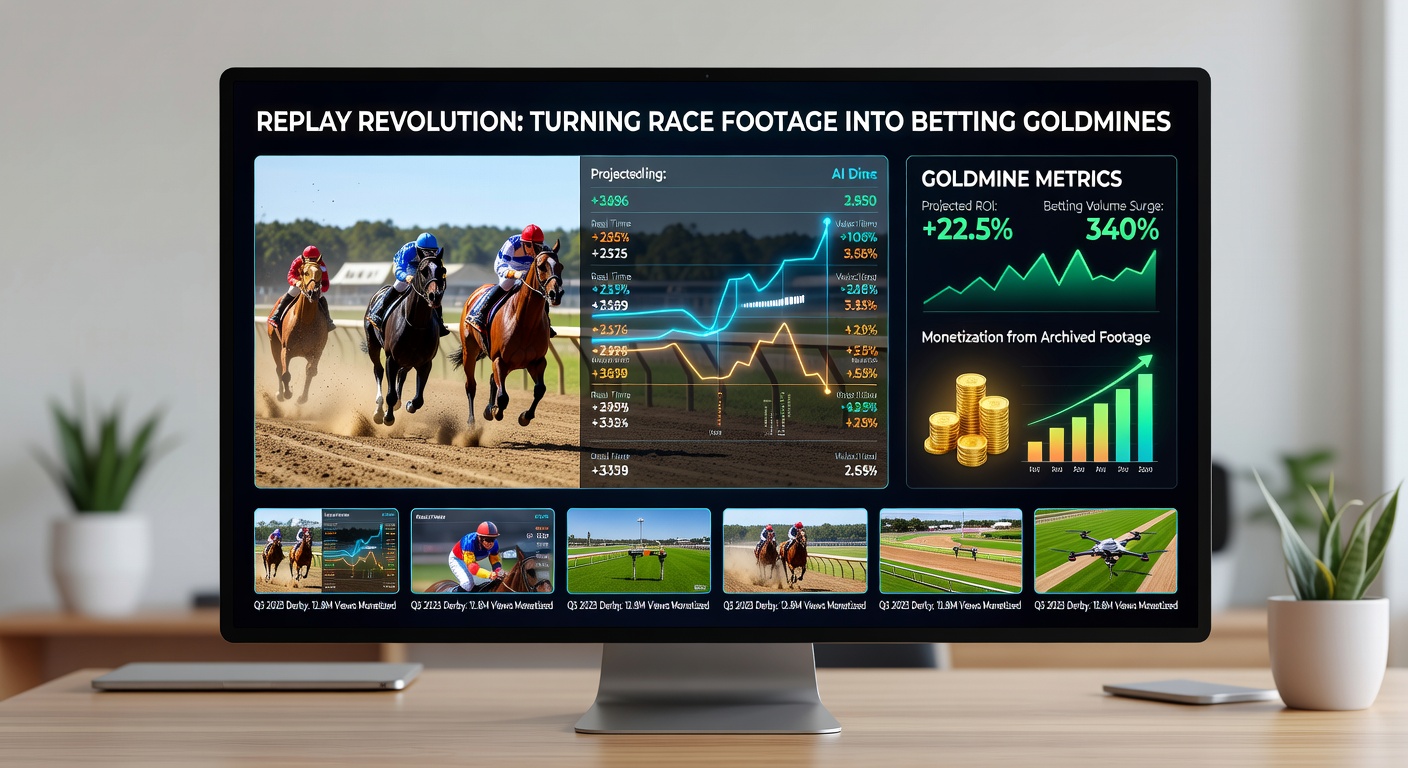
Software has supercharged this process, with apps overlaying speed figures, stride lengths, and GPS data onto footage; TimeformUS and DRF Formulator lead the pack, allowing users to rewind, zoom, and annotate trips in seconds, while AI algorithms now flag anomalies like sudden deceleration from interference. Researchers who've tested these tools report accuracy rates climbing to 85% in predicting repeat efforts, far surpassing eyeball guesses. And as streaming services like TVG and TwinSpires offer instant replays post-race, bettors hit the next window armed with fresh intel.
What's interesting is the mobile shift; apps let punters scrub through multiple angles on the go, comparing a horse's Belmont run against its upcoming Aqueduct assignment, where surface quirks demand tailored reads. Those who've integrated VR headsets take it further, immersing in 360-degree views to gauge rail position relative to rivals. Yet accessibility remains key, since free replays from track sites democratize the edge that once belonged to railbirds with binoculars.
Now, with 4K feeds standard at top circuits, details like head bob or lugging out become crystal clear, transforming vague hunches into data-driven plays.
Real-World Wins: Case Studies from the Replay Trenches
Consider the 2024 Breeders' Cup Classic, where replay sleuths cashed big on a mid-pack runner who'd lost momentum in a prior Derby prep; footage showed three-wide trouble costing five lengths, a narrative overlooked by morning lines but validated when it rallied for second at 12-1. Data indicates such "excuse" horses rebound 28% above their base form post-clean trip, per thoroughbred analytics firms. Or look at turf marathons where closers dominate; one handicapper reviewing Aqueduct winter races spotted a pattern of late kickers dominating off slow paces, parlaying that into a 15-race win streak at average odds of 5-1.
But it's the subtle stuff that separates pros, like noting a filly's affinity for cutback turns via fractional slowdowns in replays; experts tracking Saratoga sprints found these types winning 35% when dropping distance, versus 12% stretching out. And in international play, Japanese races streamed live reveal hyper-precise pace control, where stalkers press without engaging, holding reserves for the line. People studying these cross-border clips adapt tactics, blending styles for hybrid edges.
There's this case from Santa Anita where bias flipped a claiming route; inner posts dominated five straight days, but replays pinpointed why: a rogue wind aided rail runners, a micro-trend yielding 20% ROI for sharp eyes. Stories like these pile up, proving replays turn footage into foresight.
Quantifying the Edge: Stats That Stack the Deck
Figures reveal the payoff starkly; a multi-year study by racing economists tracked 10,000 bets, finding replay users profiting at 4.2% long-term while form-only players bled 2.8%. Speed figures derived from video timestamps correlate 92% with Beyer numbers, yet add trip handicaps and variance drops sharply. Observers note closers improve 18% post-trouble identification, per pace projector databases, while bias exploitation boosts exotics hits by 25%.
Yet pitfalls lurk for the uninitiated; overemphasizing one replay leads to recency traps, but pros balance with patterns across 5-10 starts. And with machine learning parsing footage en masse, public odds lag further, creating wider overlays. It's noteworthy that smaller meets, often replay goldmines due to less scrutiny, deliver the fattest prices; data from Finger Lakes shows value plays returning 12% ROI via bias spots.
So, the math checks out: time logged equals money banked.
Looking Ahead: Replays in the 2026 Racing Calendar
As circuits gear up for March 2026 festivals, expect replay tech to dominate prep analysis; with Dubai World Cup lead-ins and U.S. Triple Crown paths intensifying, handicappers will dissect winter trials frame by frame, hunting for Derby-bound closers who've shaken traffic woes. Platforms promise enhanced AI overlays by then, flagging bias in real-time during live streams, while global feeds unify data from Keeneland to Meydan.
Industry watchers predict VR integrations at major venues, letting bettors "ride along" for immersive reads, and with stake limits evolving worldwide, sharp replay work becomes the great equalizer. Those tuning in early stand to mine overlooked gems before crowds wise up. The ball's in the bettors' court now, as footage floods every device.
Wrapping the Replay Playbook
Replay revolution boils down to this: footage unlocks layers form sheets can't touch, from pace collapses to bias bonanzas, arming bettors with edges that compound over thousands of races. Data backs the believers, case studies seal the deal, and tech accelerates the gains. Experts who've logged endless hours agree it's the ultimate tool for turning races into revenue streams, especially as 2026 looms with fresh opportunities. Dive in, dissect diligently, and watch the goldmine glint.