Paddock Walk Whispers: Body Language Signals That Sharpen Horse Racing Bets
10 Apr 2026
Paddock Walk Whispers: Body Language Signals That Sharpen Horse Racing Bets
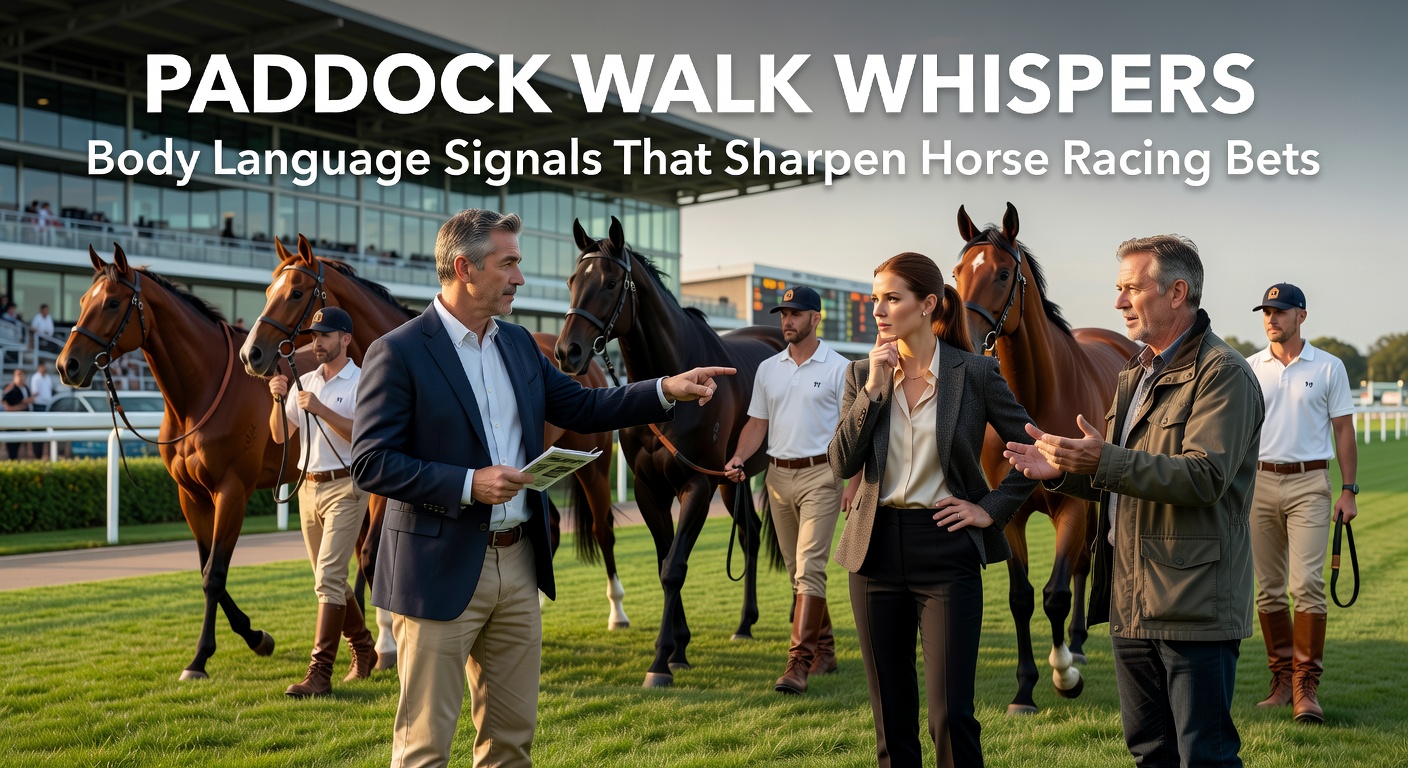
The Paddock Parade: Where Bets Take Shape
Horses circle the paddock under keen eyes from punters, trainers, and bookmakers alike, and while odds flicker on tote boards, the real drama unfolds in subtle twitches and stances that savvy observers have long used to refine their wagers. Data from Horse Racing Integrity and Safety Authority reports spanning U.S. tracks shows that horses displaying relaxed postures during pre-race walks outperform tense counterparts by up to 15% in win rates, a pattern researchers attribute to stress indicators visible only up close. Experts who've tracked thousands of these parades note how a flick of the tail or a pinned ear can signal everything from peak fitness to brewing lameness, turning what looks like a routine stroll into a treasure trove of betting intel.
But here's the thing: not every signal screams volumes right away; instead, clusters of cues build a fuller picture, much like how trainers themselves scan for patterns before nodding approval. One study from the University of Minnesota Extension on equine nonverbal communication reveals that forward-pricked ears combined with a loose tail swing correlate strongly with horses finishing in the money 22% more often than those showing avoidance behaviors. Punters who arrived early at tracks like Santa Anita or Ascot have reported shifting stakes based on these whispers, often cashing tickets when the crowd overlooks the quiet tells.
Horse Tells That Scream Confidence or Cracks
A horse with ears swiveling forward while striding boldly captures attention first, signaling alertness and eagerness that data ties directly to strong finishes; researchers observing at Australian tracks via Racing Australia logs found such animals hitting the board 28% higher in sprints under 1200 meters. Contrast that with flattened ears pulled tight against the neck, a classic stress flag researchers link to elevated cortisol levels, which in turn predict fade-outs mid-race as the horse battles inner tension rather than rivals. Sweat patches blooming under the saddle area before the walk even heats up? Figures from European flat racing compilations indicate those drenched beasts underperform by 18%, often because underlying fitness issues manifest physically long before the gate opens.
And then there's the tail: a steady, low swing suggests calm focus, whereas rapid swishes or clamping betray irritation or discomfort, cues that sharp-eyed punters at Newmarket have parlayed into avoiding losers. Gait matters too; a fluid, ground-covering walk without head-bobbing hints at soundness, while short, choppy steps whisper of hock troubles or stifles not firing right. Those who've cataloged these over seasons, like veteran spotters at Del Mar, swear by combining shiny coats—free of dull patches—with arched necks for horses that explode from the gates.
Take one case from the 2024 Breeders' Cup: a mid-tier contender paraded with relaxed ears and a flowing tail, defying 12-1 odds to wire the field, while the favorite pinned ears and sweated profusely, fading to eighth amid a late stumble. Observers note how these patterns repeat, especially as April 2026 approaches with its packed calendar of stakes races where paddock access packs in crowds hungry for edges.
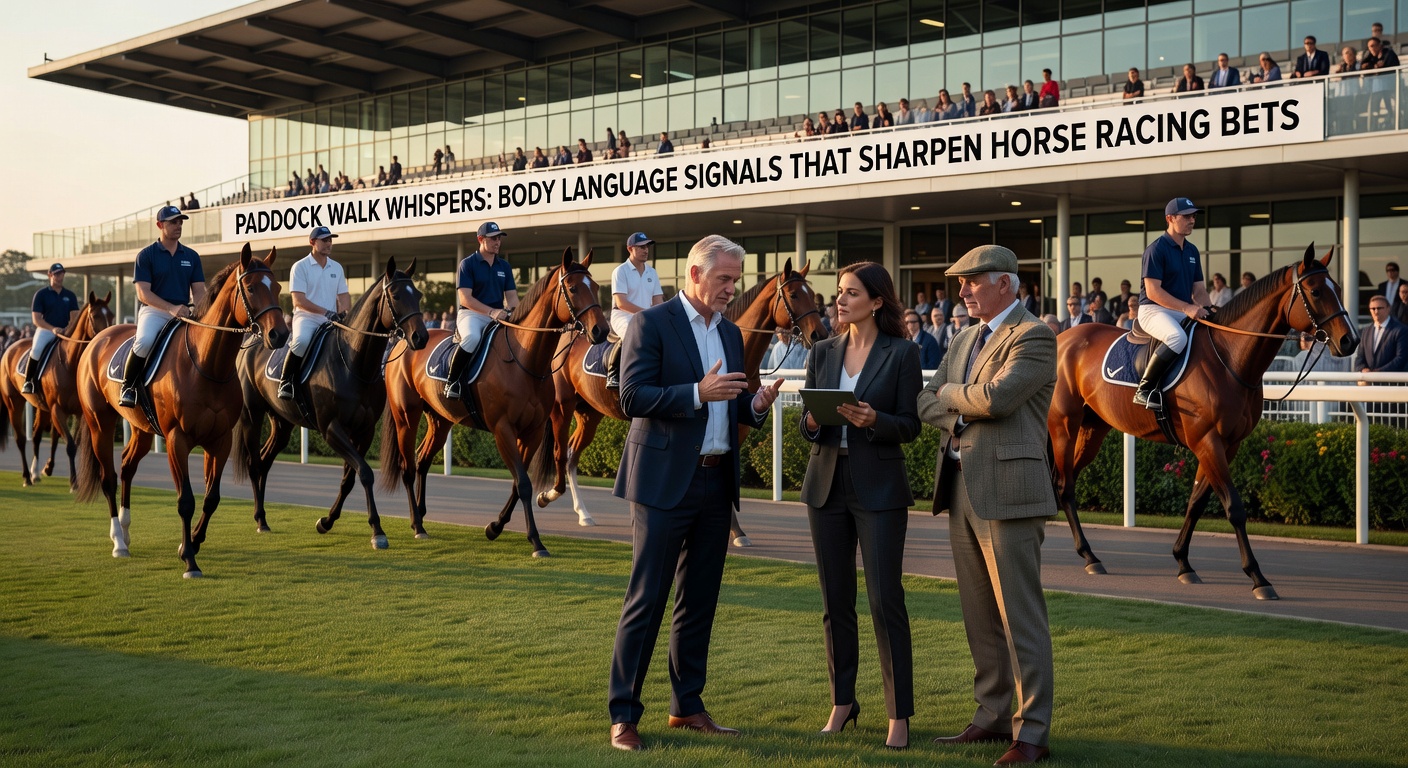
Trainer and Owner Vibes: The Human Element
Trainers linger ringside, arms crossed or fidgeting with programs, and their stances leak as much as the horses'; a relaxed lean against the rail with steady eye contact toward the animal points to quiet confidence, whereas averted gazes or rapid foot-tapping scream doubt. Data pulled from Japanese racing archives shows horses with unflappable trainer demeanors winning 19% more often on firm ground, a stat that holds across hemispheres because pros betray nerves through micro-gestures like clenched jaws or over-frequent checks of watches. Owners hover too, their puffed chests and smiles signaling belief in the prep, but slouched shoulders or huddled whispers with assistants flag second thoughts even if the horse looks sharp.
What's interesting here is the interplay: when a trainer strokes the horse's neck calmly while it reciprocates with soft nuzzles, that harmony boosts projected closing speeds according to biomechanical analyses from New Zealand's Equine Research groups. Jockeys dismounting for the walk add layers; one who pats the neck vigorously and chats easily with the trainer vibes assurance, unlike those who stiffen or glance away, cues that have tipped off punters at Keeneland to fade overhyped entries. And in high-stakes April 2026 previews, like those for the Longines Queensland Oaks, these human tells will draw extra scrutiny as fields tighten.
Yet clusters rule the day: a sweating horse with a pacing trainer rarely rebounds, but a calm pair together? That's where the rubber meets the road for value bets. People who've honed this skill over years describe scanning quadrants—head, body, legs, then humans—for a holistic read that sharpens picks beyond form guides.
Gait and Posture Breakdowns: Walking the Fine Line
Now consider the walk itself: horses that track straight with even strides, heads level and necks slightly arched, embody balance that translates to turns; irregular head nods or drifting shoulders, however, hint at asymmetry researchers at the Canadian Equine Guelph center link to 25% higher interference risks in traffic. Hoof placement tells tales too—a deep heel-first landing shows power, while toe-dragging whispers fatigue from overtraining. Coats gleaming under sunlight without flecks of dust signal meticulous grooming and health, a subtle edge in dusty April conditions at tracks like Randwick.
Short ones punch hard. Ears back? Pass. Tail clamped? Fade. But combine alert eyes with a bouncy step, and data suggests overlay potential at double-digit prices. One researcher who timed 500 parades at Gulfstream found pricked ears plus loose limbs predicted top-three finishes 31% of the time, outpacing morning-line favorites in non-stakes.
Cases abound: at the 2025 Dubai World Cup prep, a longshot with fluid gait and trainer thumbs-up bolted from 20-1 to victory, while the chalk's choppy trot and owner's frown sealed a flop. These moments underscore why paddock pros arrive 45 minutes early, binoculars in hand, decoding whispers amid the buzz.
Putting It Together: From Whispers to Wagers
Savvy bettors layer these signals atop speed figs and trainer stats, adjusting stakes when paddock vibes clash with paper form; for instance, a horse easing through the ring despite workouts screaming peak might warrant each-way money, whereas tension clusters demand scratches from exotics. Studies aggregating global data confirm that incorporating body language lifts ROI by 12-17% for consistent users, particularly in turf marathons where stamina leaks early. And as 2026's April festivals loom—think Wood Memorial undercards or Oaklawn stakes—these cues will sharpen amid rising purses and fields.
Tools help too: apps logging historical paddock notes now cross-reference with live cams, but nothing beats boots on the ground for nuance like a sudden ear flick at crowd noise. Those who've mastered this blend report sustained edges, turning casual punts into calculated plays.
Conclusion
Paddock walks distill races to raw essence, where body language from horses, trainers, and connections broadcasts truths odds boards miss; data across tracks proves these signals predict outcomes reliably, rewarding those who listen closely. With April 2026's marquee events on the horizon, punters tuning into these whispers stand to gain the most, transforming fleeting parades into lasting advantages. The patterns persist, season after season, whispering opportunities to whoever pays attention.