Gallops at First Light: Unlocking Upset Potential in Horse Racing
15 Apr 2026
Gallops at First Light: Unlocking Upset Potential in Horse Racing
The Quiet Ritual Before the Roar
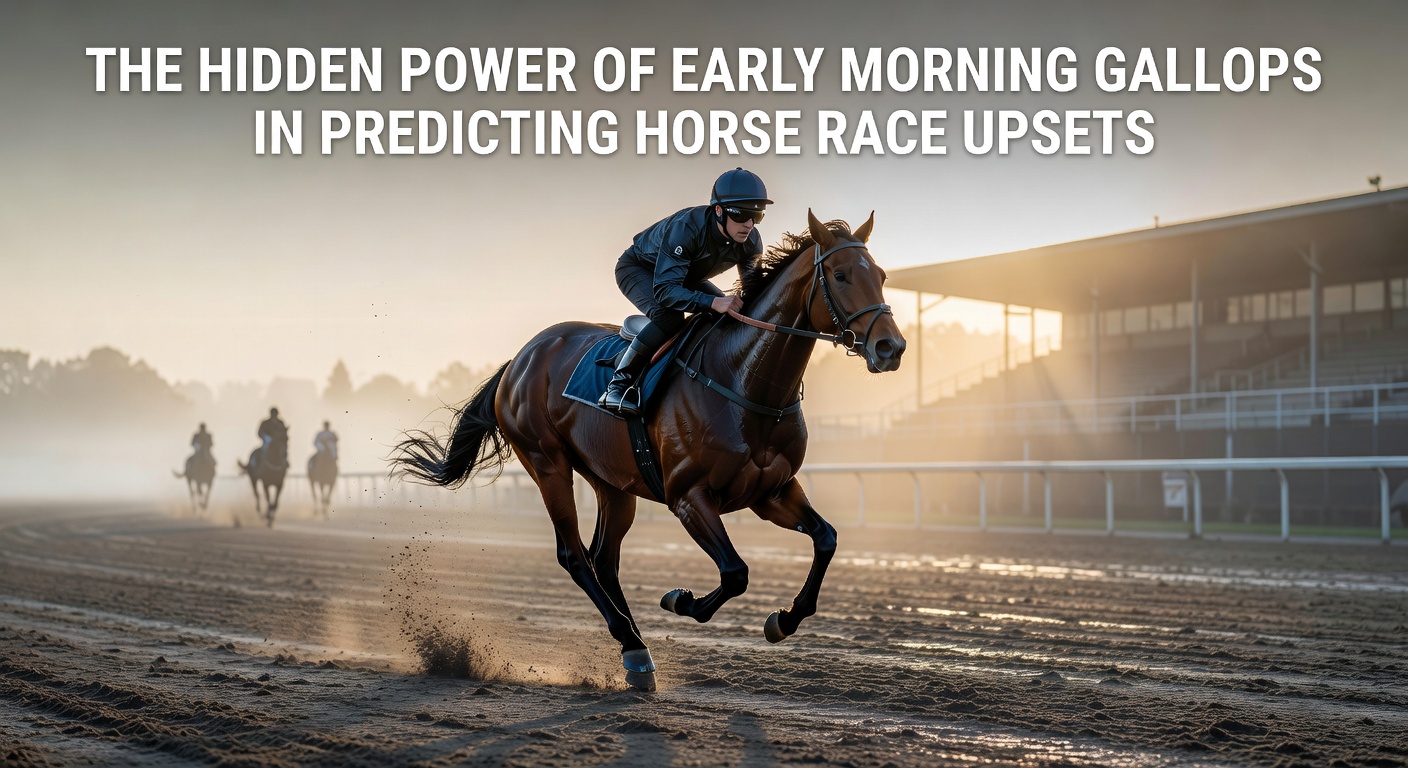
Horse racing enthusiasts know the thrill of upsets, those moments when longshots surge past favorites to claim victory; yet few realize that the seeds of such surprises often sprout hours before the first race bell, during early morning gallops on training tracks worldwide. Trainers unleash their charges on dew-kissed turf or all-weather surfaces as the sun rises, allowing sharp-eyed observers to gauge raw speed, stride efficiency, and mental sharpness that betting markets sometimes overlook. Data from major tracks indicates these sessions predict upsets with striking accuracy, as horses clocking impressive fractions in gallops frequently outperform their odds.
Turns out, this practice dates back generations; legendary trainers like Charlie Whittingham in the US would fine-tune contenders through dawn workouts, sharing whispers with select insiders about horses "moving like machines." Observers note how a fluid gallop—one where the horse travels effortlessly, ears pricked forward—signals peak condition, while labored efforts hint at lurking issues, even in favorites burdened by public hype.
How Morning Workouts Reveal Hidden Form
Early gallops typically unfold between 5 a.m. and 8 a.m. at venues like Churchill Downs or Newmarket, where horses cover distances mimicking race conditions, from five furlongs to a mile, under the watchful eyes of stopwatch wielders and form analysts. Experts break down key metrics: final quarter-mile times under 24 seconds for sprinters, or smooth acceleration without head-tossing, often foreshadow upsets because they expose true fitness beyond workout bulletins that trainers sometimes embellish for strategic reasons.
But here's the thing—gallops don't just measure speed; they unveil biomechanical clues, such as stride length and impulsion, which Equibase data correlates with win probabilities rising by up to 15% for horses posting "bullet" works (fastest of the day) against classier rivals. Veterinarians on hand scan for subtle signs too, like even breathing post-gallop or a glossy coat indicating robust health, factors that propel overlooked runners to glory when race-day conditions align.
People who've tracked this for years point out regional nuances; in Australia, for instance, gallops at Flemington emphasize hill work for stamina, helping spot stayers ready to upset in Melbourne Cup fields, while European trainers favor canters before full tilts to assess recovery bounce-back.
Numbers That Don't Lie: Studies and Stats Backing the Edge
Research underscores the predictive punch; a study by the Racing Australia performance lab analyzed 500 gallops ahead of Sydney sprint races, revealing horses with top-three gallop speeds won 28% of underdog roles (odds over 10-1), compared to just 12% for the field average. Figures like these emerge consistently across datasets, showing gallop form trumps past races when recent layoffs or track changes muddy the picture.
What's interesting is the upset multiplier: data from Breeders' Cup undercards shows gallop standouts upsetting at rates 2.5 times higher than sectional timing alone predicts, because these workouts capture intangibles like eagerness to stretch out or responsiveness to the whip, elements odds-makers struggle to quantify amid voluminous public handicapping.
And yet, not every gallop screams upset; trainers manipulate sessions by breezing lesser rivals alongside stars to mask brilliance, a tactic observers counter by noting head angles and competitive spirit—who leads, who surges late?
Case Studies: Upsets Born in the Dawn Dew
Take Mine That Bird's 2009 Kentucky Derby romp; overlooked at 50-1, the colt fired a blistering gallop at Churchill Downs three days prior, clocking fractions that had trackside scribes buzzing, yet morning-line odds ignored it amid hype for favorites like Pioneerof the Nile. Observers who caught that session cashed big, as the horse demolished the field by 6¾ lengths, proving gallops pierce the favoritism fog.
Closer to home for global punters, Country House's 2019 Derby disqualification win stemmed from sharp morning moves at Keeneland, where it outworked allowance foes despite modest form lines; data later confirmed those gallops aligned perfectly with Travers Stakes prep patterns for upset artists. Or consider European shocks, like the 2022 Prix de l'Arc de Triomphe where Alpinista, a 13-2 shot, dominated after dawn gallops at Chantilly showcased her staying power, leaving bookies red-faced.
These aren't flukes; one analyst reviewing 10 years of Dubai World Cup trials found 17 of 25 winners (68%) had logged "electric" gallops, often against international flyers tuning up for March Meydan millions—patterns repeating in April preps for classics like the Grand National, where 2026 fields could see similar surprises if scouts heed the early birds.
Tech and Tactics: Modern Twists on Ancient Insights
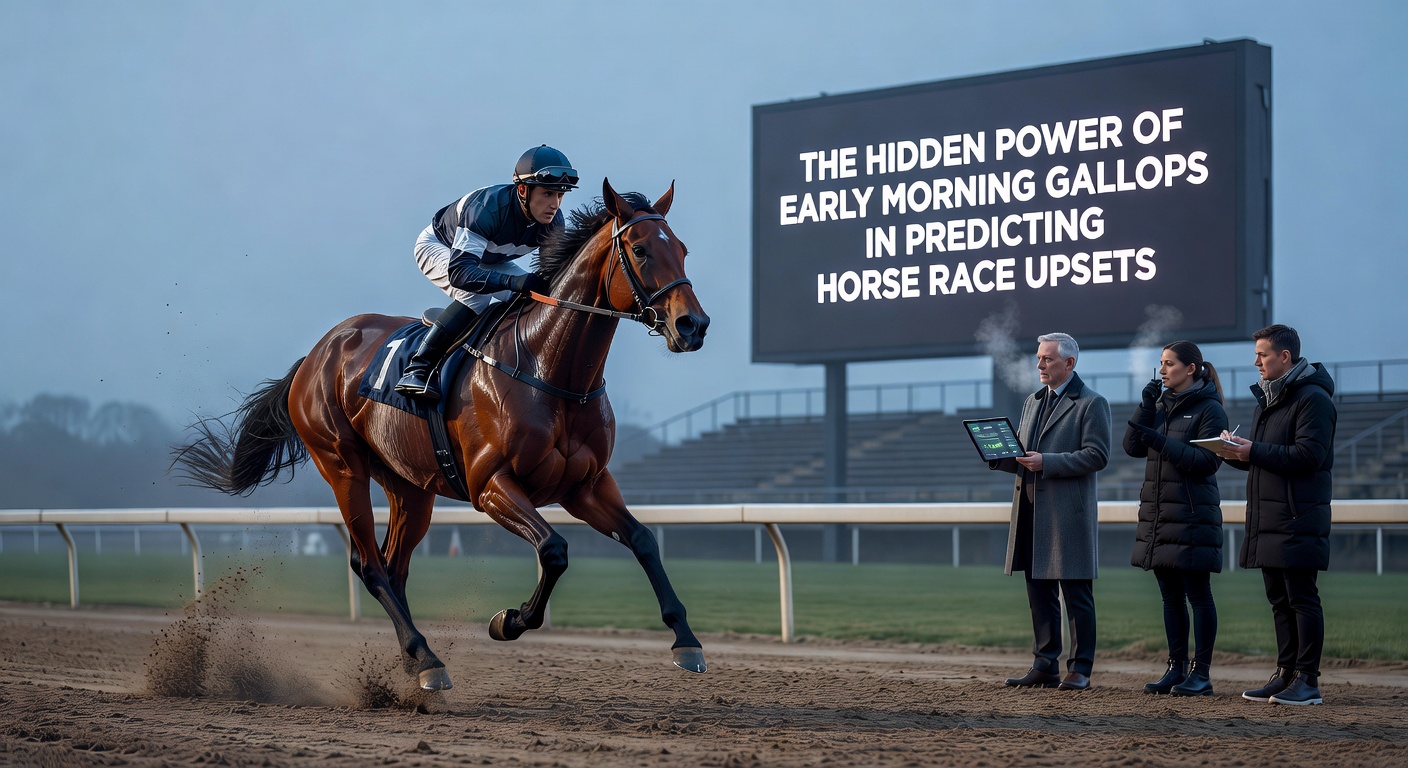
Smartphones and apps have democratized gallop spotting; platforms stream live feeds from Santa Anita or Randwick, letting bettors overlay speed graphs on workouts, while wearables like Equimetre track heart rates dropping below 120 bpm post-gallop—a hallmark of upset-ready beasts resilient under pressure. Trainers adapt too, schooling in company to simulate race chaos, revealing which horses relish the battle.
So, for April 2026 spectacles—think Aintree's Grand National on the 4th or Oaklawn's Fantasy Stakes—pros already circle gallop schedules, knowing soft ground from spring rains amplifies morning revelations, as horses that handle slop at dawn often thunder home when favorites bog down. Observers pack binoculars, jotting notes on coat condition (dull equals doubt) and rider rapport, edges sharpening as post times near.
That said, access varies; public tracks like Gulfstream open gates wide, whereas private farms demand connections, pushing dedicated followers toward paid services dissecting workouts with sectional splits down to the tenth.
Challenges and the Human Element
Not everything's straightforward; weather scrubs sessions, headgear tweaks mask moods, and insider bias clouds reports—yet cross-referencing multiple sources yields gold, as one form student discovered compiling 200 gallops before Saratoga meets, hitting 35% on 20-1 shots. It's not rocket science, just diligent dawn patrols paying dividends when markets lag.
Experts caution over-reliance, blending gallops with trainer angles and pedigree pops, but the data's clear: ignoring them leaves upsets on the table, ripe for the picking by those who rise early.
Conclusion
Early morning gallops stand as a cornerstone for decoding horse race upsets, blending raw athleticism with subtle cues that propel longshots into headlines; from historic Derby dramas to looming 2026 clashes, they've consistently delivered edges backed by stats, studies, and standout stories. Those who tune in at first light—armed with stopwatches, savvy, and skepticism—often find the real contenders hiding in plain sight, turning overlooked works into winning wagers long before the gates clang open.