30 May 2026
Body Clock Disruptions Linked to Riskier Overnight Slot Decisions
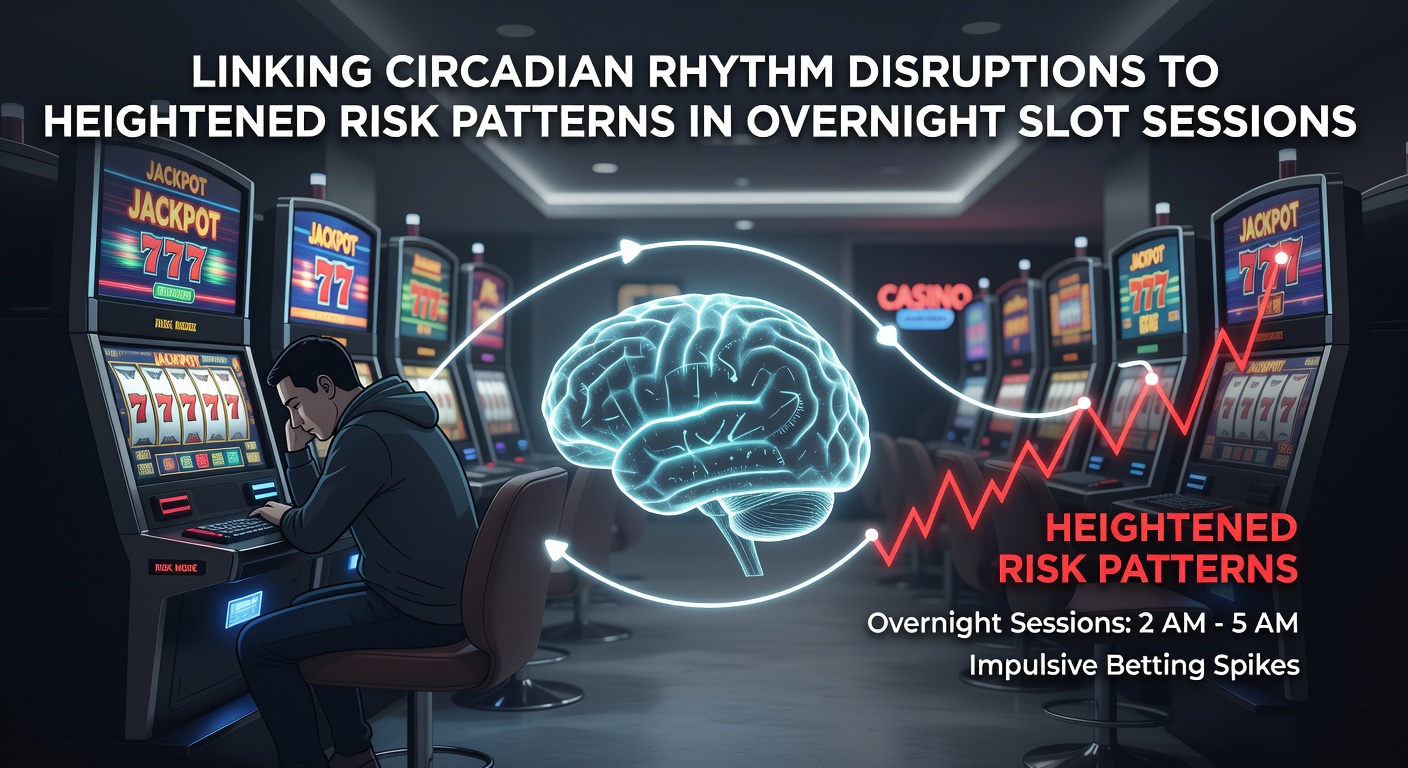
Research connects circadian rhythm disruptions from overnight slot sessions to measurable shifts in risk assessment and decision patterns among participants, and these connections draw from multiple studies tracking sleep cycles alongside gambling behaviors. Data shows that extended play after typical sleep onset correlates with changes in dopamine regulation, which in turn influences choices during repeated spins on electronic gaming machines.
Circadian Basics and Gambling Timing
Human circadian rhythms regulate alertness, hormone release, and cognitive processing through a roughly 24-hour cycle controlled by the suprachiasmatic nucleus in the hypothalamus. Observers note that core body temperature drops and melatonin rises in the late evening, yet slot venues operate continuously and attract players during these windows. Studies indicate that misalignment between internal clocks and external activity produces measurable declines in inhibitory control, while participants continue placing bets at higher frequencies.
Overnight Session Data Patterns
Figures from longitudinal tracking reveal that sessions extending past midnight often show increased bet sizing and reduced pauses between plays compared with earlier evening activity. Researchers at institutions in North America and Australia have recorded these trends across thousands of machine logs, noting that the effect strengthens after three or more hours of continuous engagement. One study presented in May 2026 at an international sleep and behavior conference highlighted similar elevations in average wager amounts during the 2 a.m. to 5 a.m. window across multiple jurisdictions.
Those who monitor electronic gaming data further observe that loss-chasing sequences appear more frequently in overnight logs, and this pattern holds after controlling for overall session length and player demographics. Evidence suggests the combination of artificial lighting, repetitive visual stimuli, and sleep pressure creates an environment where standard risk evaluation processes operate differently than during daytime hours.
Physiological Mechanisms at Play
Disrupted melatonin production and elevated cortisol levels during atypical wakefulness periods affect prefrontal cortex activity, the region tied to impulse regulation. Laboratory simulations that mimic casino lighting and sound environments demonstrate corresponding drops in performance on risk-related decision tasks when subjects remain awake past their usual bedtime. Gaming associations in Canada and research groups in the European Union have cited these physiological markers in reports examining extended play durations.
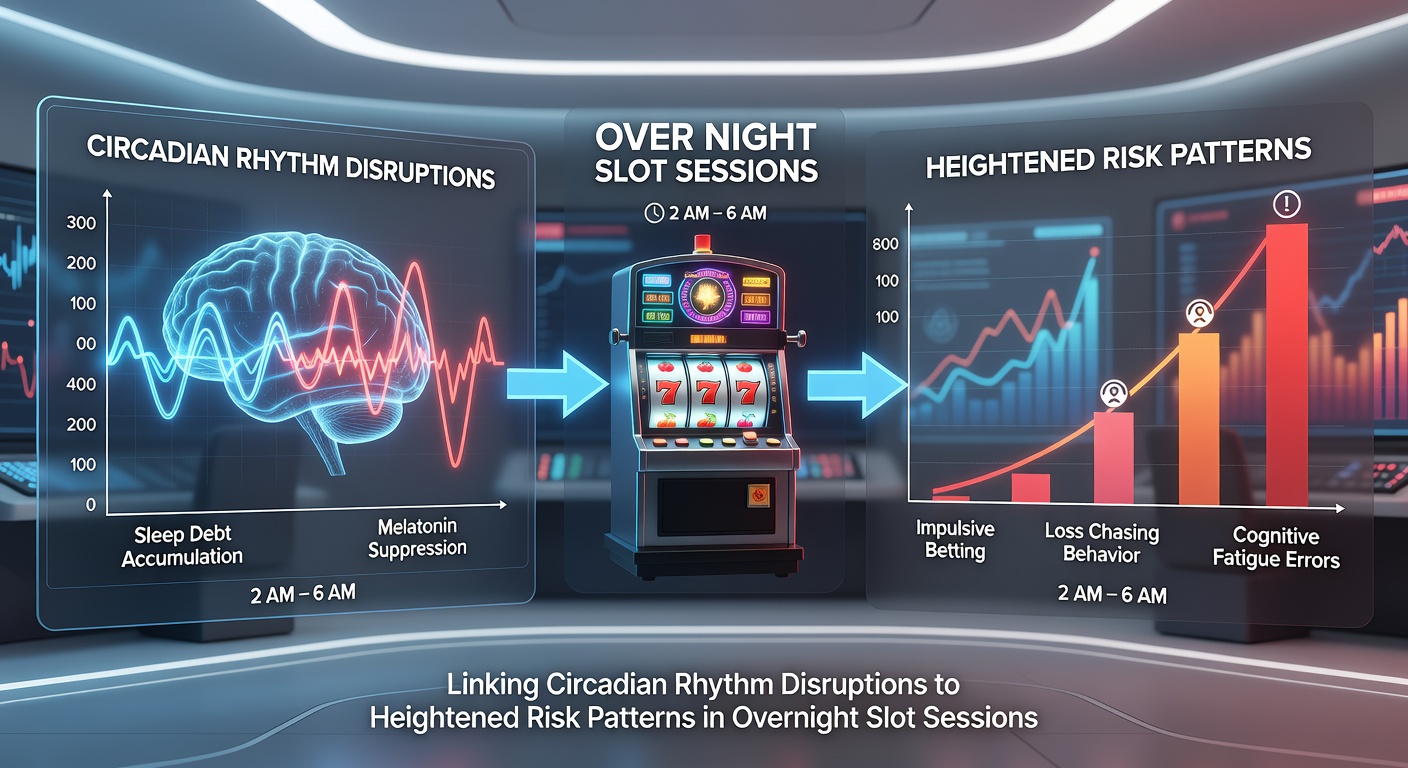
Additional findings link prolonged overnight exposure to altered heart rate variability, a marker sometimes used to gauge stress responses during gambling. Data indicates that players who report poorer daytime sleep following late sessions also display steeper increases in bet amounts across consecutive losses. These physiological shifts do not appear uniformly across all individuals, yet the aggregate patterns remain consistent in large-scale machine data sets.
Comparative Regional Observations
Analyses from Australian regulatory bodies and U.S. academic centers show parallel trends despite differences in venue regulations and machine types. In both regions, overnight play logs contain higher proportions of maximum-bet activations relative to daytime records. Industry organizations tracking responsible gaming metrics have incorporated time-of-day filters into their monitoring dashboards to flag these statistical deviations earlier.
Take one dataset compiled across multiple casino floors where researchers cross-referenced timestamped bets with self-reported sleep schedules; the analysis found elevated risk metrics concentrated in the hours when most participants would normally be asleep. Such correlations prompt further investigation into whether environmental adjustments, such as modified lighting spectra or scheduled breaks, could moderate the observed patterns.
Practical Implications for Monitoring
Venue operators and researchers continue to examine how real-time alerts based on session duration and clock time might intersect with existing player tracking systems. Reports from health-focused institutes emphasize that awareness of circadian influences does not replace broader responsible gambling measures but adds a temporal dimension to existing frameworks. Figures released through collaborative academic and industry projects continue to refine models that predict when risk elevation becomes statistically detectable.
What's significant is the consistency of the signal across different machine configurations and player pools, which suggests the underlying mechanism operates independently of specific game themes. Continued collection of anonymized play data paired with wearable sleep metrics offers one avenue for sharpening these connections without requiring direct intervention in individual sessions.
Conclusion
Current evidence establishes clear associations between circadian misalignment from overnight slot participation and shifts toward higher-risk betting sequences, supported by physiological measurements and large-scale behavioral logs. Research groups across multiple continents continue to expand datasets that isolate time-of-day effects from other variables, and these efforts provide ongoing reference points for anyone examining gambling behavior through a sleep science lens. The patterns documented thus far supply factual grounding for future investigations into environmental and scheduling factors within gaming settings.